As a homeowner in Maryland, your roof is your first line of defense against severe weather. It also happens to be one of the most significant factors in how your homeowners' insurance policy is priced, structured, and paid out when something goes wrong.
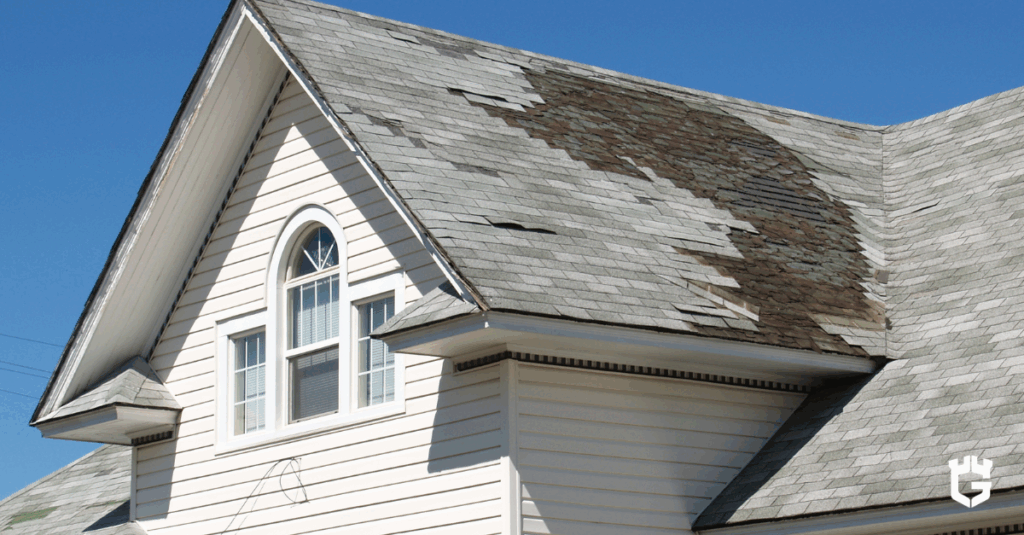
Your roof naturally loses value over time due to age, weather exposure, and wear. And that depreciation directly affects your insurance coverage, your premiums, and what you actually receive when you file a claim.
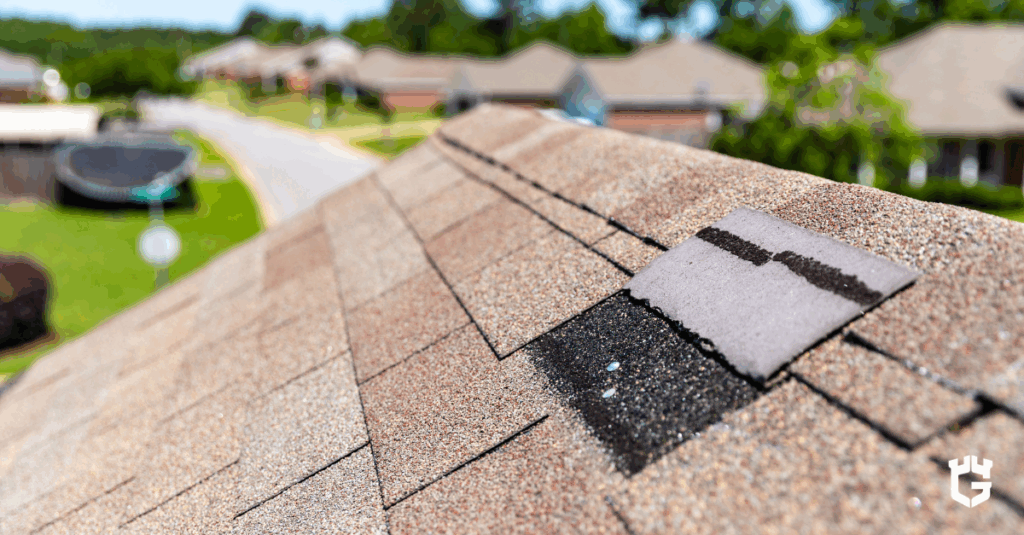
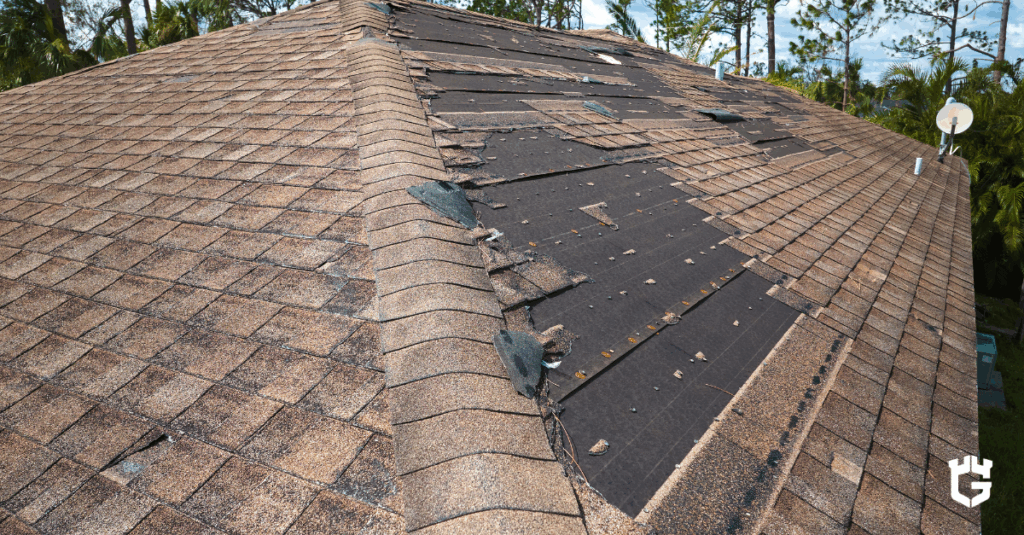
Wind and hail consistently rank among the top causes of homeowners' insurance claims, responsible for billions in property losses annually. Knowing how your insurer calculates your roof's value helps you make informed decisions about your coverage before a storm makes that decision for you.
How Your Roof's Age Affects Insurance Coverage
Insurance companies assess the age and condition of your roof when determining your policy rates, coverage options, and claim payouts. The older the roof, the greater the risk it poses to the insurer, and that risk gets priced in.
A roof past its prime typically results in:
Higher premium costs
More restrictive coverage terms
Lower claim settlement amounts under actual cash value coverage
Potential coverage limitations or exclusions at renewal
The growing cost of roof damage is making insurers even more cautious. According to a 2025 Verisk report, roof-related insurance claims reached nearly $31 billion in 2024, up 30% from 2022. As those losses rise, insurers are responding by tightening their assessment and pricing of roof risk at every renewal.
The annual premium gap between a roof under five years old and one between 11 and 15 years old grew from $49 in 2022 to $155 in 2025—a 216% increase in just three years.
How Is Depreciation Calculated?
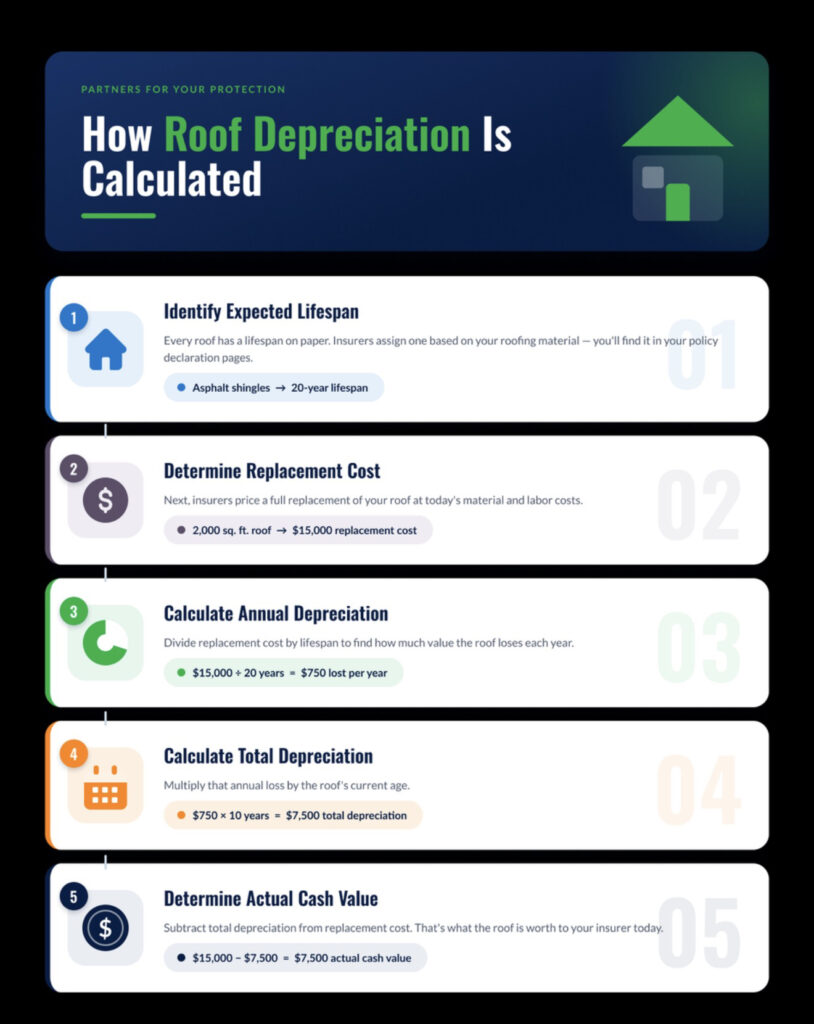
Depreciation measures how an asset loses value over time due to aging and deterioration. Here is how insurance companies apply that calculation to your roof.
Replacement Cost Value vs. Actual Cash Value
The infographic above shows how the numbers work. Here is what each coverage type means in practice.
Replacement Cost Value (RCV)
RCV coverage pays what it costs to replace your roof at today's prices and materials, minus your deductible. Depreciation does not factor into the payout. An RCV policy on a 10-year-old roof settles the claim the same way it would on a new one.
Actual Cash Value (ACV)
ACV coverage applies the depreciation calculation directly to your claim settlement. You receive what the roof was worth at the time of loss, not what it costs to replace it. The older the roof, the wider that gap.
The gap between RCV and ACV grows every year your roof ages. Reviewing which type of coverage your current policy carries is a conversation worth having before the next storm season, not after a claim comes back smaller than expected.
How Roof Age Affects Your Premiums and Coverage
Insurers structure their policies differently based on where your roof falls in its expected lifespan. The thresholds vary by carrier, but the general pattern is consistent.
Newer roofs (10 years or younger): Insurance companies favor newer roofs. Expect lower premiums, broader coverage terms, and full replacement cost eligibility.
Older roofs (11 to 20 years): Carriers may offer only actual cash value coverage, raise premiums, require an inspection before renewal, or, in some cases,s decline to renew the policy entirely.
Roofs beyond 20 years: Coverage becomes significantly more limited. Some carriers will not write a new policy on a home with a roof this old. Those that do will typically cap payouts and charge substantially higher premiums.
Ways to Minimize Depreciation and Maintain Coverage
Regular maintenance extends the usable life of your roof and keeps your coverage options open. Scheduling routine inspections, clearing debris and gutters after storms, and addressing minor damage before it becomes structural keeps the roof performing and documentable for your insurer.
If your roof is approaching the 15 to 20-year range, replacing it proactively before a claim rather than after is often the financially stronger move. A new roof frequently restores RCV coverage and reduces your premium. Both outcomes have a more long-term financial impact than most homeowners expect.
Understanding Roof Coverage Limitations and Endorsements
Beyond basic depreciation and the difference between RCV and ACV, homeowners are encountering a newer, more complex policy feature that can significantly affect their coverage: limited roof endorsements, often called Roof Surface Payment Schedules or Roof Surface Coverage Endorsements.
Many insurance companies add these policy modifications at renewal with minimal explanation. They most commonly affect older asphalt shingle roofs, although the age threshold and roofing materials covered vary by carrier.
Understanding how these endorsements work can help you identify a potential coverage gap before you need to file a claim.
What Is a Roof Surface Payment Schedule?
A roof surface payment schedule restricts how much your insurance company will pay for certain types of roof damage.
Unlike standard ACV coverage, which calculates the roof’s depreciated value, a payment schedule uses a preset percentage based on the roof’s age and material. The percentage the insurer pays decreases as the roof gets older.
Depending on the policy, the endorsement may apply to:
Shingles and tiles
Underlayment and felt
Membranes and drip edges
Vents, turbines, and skylights
Other roofing components specified in the policy
How the Roof Surface Payment Schedule Works
Your insurance company assigns a payment percentage to different roofing materials at different ages. When you file a covered roof claim, the insurer applies the percentage listed in the schedule rather than paying the full replacement cost.
For example, a 15-year-old roof that costs $20,000 to replace might qualify for only a 60% payment. The insurer would pay $12,000 before the deductible, leaving the homeowner responsible for the remaining $8,000 plus the deductible.
The policy may still list replacement cost coverage on the declarations page, which is where the confusion often begins. The limited roof endorsement changes how that coverage applies specifically to the roof.
Carriers also set different age thresholds. According to Nationwide, its Limited Roof Endorsement is required in some states for roofs other than slate, tile, or metal once they exceed 11 years.
When Does a Roof Surface Payment Schedule Apply?
A roof surface payment schedule usually applies only when damage is caused by specific events listed in the endorsement. Depending on the policy, those events may include:
Windstorms and hurricanes
Hailstorms
Tornadoes
Sleet
Damage caused by another covered event, such as fire, may still be handled under the policy’s standard terms. The exact triggers depend on the language in your endorsement.
Cosmetic Damage Exclusions
A related endorsement is the cosmetic damage exclusion. Under this provision, damage the insurer classifies as cosmetic may not be covered, even when it results from a covered event such as hail.
Examples may include dented, scuffed, or discolored roofing materials that do not affect the roof’s ability to function.
Homeowners and insurers may disagree about what qualifies as cosmetic rather than functional damage. Reviewing how your carrier defines the term before a storm is more useful than discovering the limitation during a claim.
How to Find These Endorsements in Your Policy
Endorsements may appear in your declarations section or as separate attachments to the policy. Look for language referencing:
Roof Surface Coverage or Roof Surface Payment Schedule
Limited Roof Endorsement or Limited Roof Replacement
Cosmetic Damage Exclusion
Actual Cash Value Roof Endorsement
If you find one, ask your agent to explain what percentage would apply to your roof today and what your out-of-pocket cost could be after a covered loss.
Whenever you replace your roof, notify your agent promptly so the policy reflects its new age. Updating that information may improve your coverage terms and reduce the effect of an age-based payment schedule on future claims.
What to Do If Your Roof Is Aging
The most expensive way to deal with roof depreciation is to wait for a claim to show you how your coverage works. These steps cost less.
Schedule a roof inspection.
A professional written inspection report documents the roof's current condition and remaining useful life. Some insurers will accept an inspection report showing five or more years of remaining life to avoid non-renewal on an older roof.
Review your declarations page now.
Confirm whether your policy carries RCV or ACV coverage and look for any endorsements limiting roof payouts. If you are not sure what you are looking at, call your agent.
Ask your agent what happens at renewal.
Carriers change their underwriting guidelines. A policy that offered RCV coverage last year may not be offered at the next renewal if your roof crosses an age threshold. Knowing this in advance gives you time to shop for carriers or replace the roof before coverage changes.
Replace before filing if the roof is near the end of its life.
If your roof is 15 years or older and you have a choice between replacing it proactively and waiting for a storm to force the issue, replace it first. You’ll often have a better financial outcome through restored RCV coverage and lower premiums.
Protect Your Home with the Right Roof Coverage
Now that you understand how roof depreciation, payment schedules, and age factors affect your coverage, you can make more informed decisions about your policy.
If you’ve recently replaced your roof or want to review your coverage options, we’re here to help. At Gerety Insurance, we believe in transparency and making sure you have the coverage you need.
As insurers continue to introduce limited roof endorsements and roof surfacing payment schedules, we’re here to help you navigate these changes, explain your policy details, and ensure your home is fully protected.
Contact us today for a free policy review. We’ll help you find the best protection for your home before you need to file a claim.
Frequently Asked Questions: Roof Depreciation and Home Insurance
It depends on the carrier. Most insurers will continue coverage but restrict payouts to actual cash value only, which significantly reduces what you receive on a claim. Some may decline to renew entirely once a roof crosses the 20-year mark.
Replacement Cost Value pays what it costs to replace your roof today, minus your deductible. Actual Cash Value pays the depreciated value of the roof at the time of the claim. On a 10-year-old roof, ACV can pay out roughly half of the actual replacement cost.
Carriers are required to notify policyholders of material changes at renewal, but the notification is often buried in documents that most homeowners do not read carefully. Check your declarations page specifically for roof coverage changes at every renewal.
A limited roof endorsement caps the insurer's payout on wind and hail claims based on your roof's age, expressed as a percentage that decreases over time. Even if your policy says replacement cost coverage, a limited endorsement modifies how that applies to roof claims specifically. Look for it in your policy's endorsements section.
Carriers are required to notify policyholders of material changes at renewal, but the notification is often buried in documents that most homeowners do not read carefully. Check your declarations page specifically for roof coverage changes at every renewal.
A limited roof endorsement caps the insurer's payout on wind and hail claims based on your roof's age, expressed as a percentage that decreases over time. Even if your policy says replacement cost coverage, a limited endorsement modifies how that applies to roof claims specifically. Look for it in your policy's endorsements section.
In most cases, yes. More importantly, a new roof often restores eligibility for replacement cost coverage instead of actual cash value, which has a larger financial impact than the premium savings alone.
It can, depending on your carrier and claims history. Before filing a claim for minor damage close to your deductible, call your agent first to understand the potential impact on your renewal rate.
Document the damage with photos before any temporary repairs. Contact your agent rather than calling the claims line directly, especially on older roofs where coverage questions may affect how the claim is handled.
Have questions about your current roof coverage or want to review your policy before the next storm season? Contact our team today.
As an independent agency, we can review your current policy, compare options across multiple carriers, and make sure your coverage actually reflects what your home is worth.