As a homeowner in Maryland, water damage is one of the most stressful and costly situations you can face. What makes it even more frustrating is finding out after the fact that the type of water damage you experienced isn't covered by your current policy.
April is Maryland Flood Awareness Month, and it's a good time to clear up one of the most common sources of confusion we hear from homeowners: the difference between a busted pipe, water backup, and an actual flood. Each one involves water in your home, but each one is covered — or not covered — by a completely different policy.
Understanding the distinction before something goes wrong can save you thousands of dollars and a lot of headaches. Here's how each one works.
1. Busted or Frozen Pipe: Covered Under Your Homeowners Policy
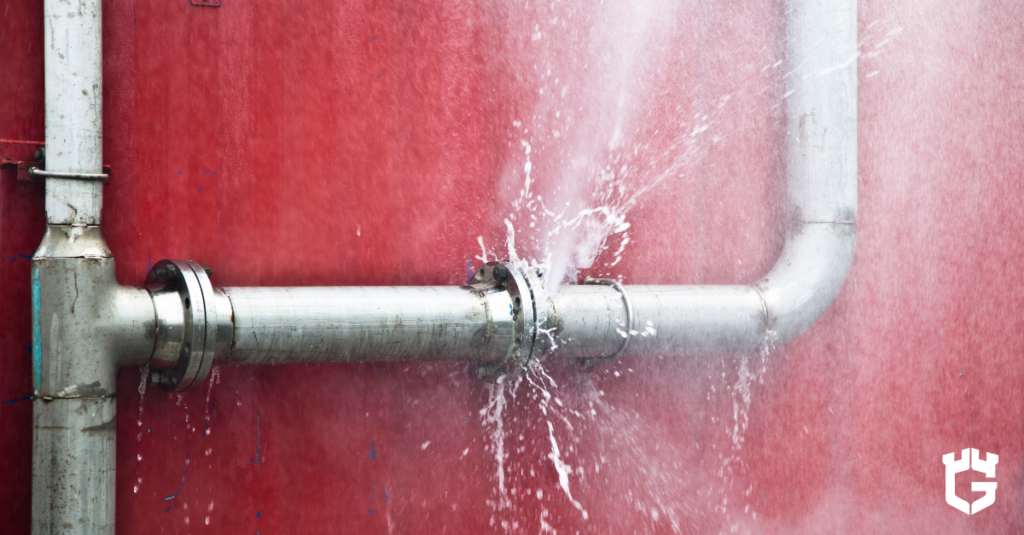
A burst pipe is probably the most familiar type of water damage, and it's the one your standard homeowners' insurance policy is designed to handle. Whether a pipe freezes and ruptures during a cold snap or a supply line behind a wall fails unexpectedly, this type of damage is typically covered because it qualifies as sudden and accidental.
If the damage qualifies, your homeowners policy will generally cover:
Repairs to the structure of your home (walls, ceilings, flooring)
Replacement of damaged personal belongings
Additional living expenses if your home becomes temporarily uninhabitable
What does this look like in practice?
Say a pipe behind your bathroom wall freezes overnight in January and bursts while you're at work. You come home to a soaked ceiling, warped flooring, and water damage down two walls. Because the damage was sudden and accidental, your homeowners’ policykicks in. After your deductible, it covers drywall repairs, flooring replacement, and any damaged belongings. What it won't cover is the cost to fix or replace the pipe itself — that's considered a maintenance expense.
The key phrase here is sudden and accidental. If an adjuster determines that a pipe had been slowly dripping for months and the damage built up over time, your claim can be denied. Deferred maintenance isn't covered. Insurance is designed to protect you from accidents, not from problems that could have been fixed.
A few things to keep in mind:
Keep your home heated in cold weather, even if you're traveling. A frozen pipe in an unoccupied, unheated home may be treated as negligence by your carrier.
Address plumbing issues when you notice them. A small drip that gets ignored for months can turn into a denied claim.
Your policy covers the resulting water damage, not the cost to repair or replace the pipe itself.
2. Water Backup: A Separate Endorsement Most Homeowners Don't Have
This is the coverage gap that surprises Maryland homeowners the most, and it's easy to understand why. Water backup doesn't come with any of the drama you might associate with a flood. Nothing dramatic happens outside. A pipe doesn't burst. But your standard homeowners policy still won't cover it.
Water backup occurs when:
Heavy rain overwhelms the city sewer system, and water pushes back up through your basement floor drain
Your sump pump fails during a storm or power outage, and water fills the crawlspace or basement
A backed-up drain causes sewage to enter the home through the interior plumbing
Water backup coverage is a separate endorsement you have to specifically add to your homeowners’ policy. Without it, you're responsible for the full cost of cleanup and repairs out of pocket.
What does this look like in practice?
A summer storm dumps four inches of rain in two hours. The city's stormwater system can't keep up, and water starts backing up through the floor drain in your finished basement. By the time you notice, you've got two inches of water across 600 square feet of carpet, drywall, and stored belongings. The cleanup alone — water extraction, drying equipment, mold prevention — runs $8,000 before you touch the flooring or drywall. Without a water backup endorsement, every dollar of that comes out of your pocket.
There's something specific to Maryland worth knowing: state law requires your insurance company to offer you water backup coverage. It's not included automatically, and there's an additional premium involved, but your insurer is legally required to make it available to you. If you're not sure whether it's on your current policy, pull out your declarations page. If it's not listed, you don't have it.
A few things to keep in mind:
Check your declarations page for "water backup" or "sewer backup." No listing means no coverage.
Pay attention to your coverage limit. A $10,000 limit might not go far if your finished basement takes significant damage. Make sure the number reflects what restoration would actually cost.
Sump pump failure is often covered under this endorsement, but not always. It's worth asking your broker directly.
3. Flood Insurance: A Completely Separate Policy
If water enters your home from the outside, due to different factors such as rising groundwater, an overflowing creek, storm surge, or widespread surface flooding from heavy rain, that's a flood. And no matter how solid your homeowners’ policy is, it will not cover flood damage. Flood insurance must be purchased as a completely separate, standalone policy.
You can get it through the National Flood Insurance Program (NFIP), which is federally administered, or through private insurance carriers, who have entered the market in recent years and can sometimes offer comparable coverage at lower premiums. Both are worth comparing.
What does this look like in practice?
A nor'easter stalls over the region and drops heavy rain over two days. The creek behind your neighborhood overflows, and water starts moving across yards and into basement windows. You have six inches of standing water in your basement and significant damage to your HVAC system, water heater, and finished flooring.
Your homeowners policy won't touch it. Your water backup endorsement won't either, because the source of the water is outside the home. Without a flood policy, you're filing for FEMA disaster assistance, which averages around $5,000, far short of what most flood claims actually cost.
One of the most important things to understand about flood insurance is the waiting period. In most cases, a new flood policy doesn't take effect for 30 days after purchase. You can't decide you need coverage when a storm is already in the forecast.
Many Maryland homeowners also assume flood risk is limited to coastal communities or properties near major waterways. That's not the case. Flash flooding, heavy surface runoff, and overwhelmed drainage systems can impact neighborhoods that have never flooded before. In fact, roughly one-third of all NFIP claims nationally come from outside designated high-risk flood zones.
A few things to keep in mind:
Flood insurance cannot be added to your homeowners’ policy. It requires a completely separate purchase.
The 30-day waiting period applies in most situations. Don't wait until you see a forecast to review your coverage.
Private flood insurance is worth comparing against NFIP pricing. A broker can help you evaluate both options.
Even if you're not in a high-risk flood zone, flood coverage is worth considering. Low-risk doesn't mean no risk.
Quick Summary: Which Coverage Applies?
Burst or frozen pipe (sudden and accidental): Homeowners insurance
Sewer backup, sump pump failure, or drain overflow: Water backup endorsement (add-on to your homeowners policy)
Rising water or flooding from outside the home: Flood insurance (separate policy required)
The gap between what homeowners think is covered and what's actually on their policy is one of the most common — and most preventable — problems we see. A quick review of your current coverage can tell you a lot about where you might be exposed.
At Gerety Insurance, we make it a priority to walk clients through exactly this kind of detail, so there are no surprises when it matters most. If you're not sure whether you have water backup coverage or flood insurance, or if you'd like a second set of eyes on your homeowners policy, we're here to help.
Have questions, or are you ready to review your coverage? Contact our team today.Request a quote.