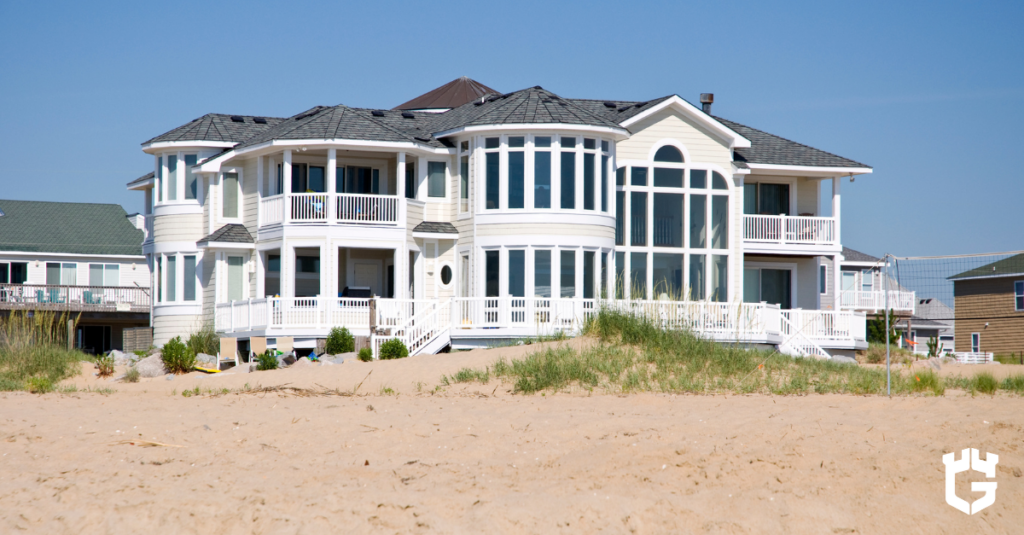
Summer in Maryland moves fast. The boat comes out of storage, the Bay Bridge fills up with weekend traffic, and somewhere between Memorial Day and Labor Day, a lot of Marylanders quietly turn their homes, vacation properties, or watercraft into income-generating assets on Airbnb, VRBO, or peer-to-peer rental platforms.
Most of them assume their existing insurance covers it all. Most of them are wrong.
Standard homeowners and boat policies are written for personal use. The moment you accept money from a guest or renter, the insurance company treats it differently. This isn't fine print buried in your policy. It's a structural feature of how personal lines coverage works, and it creates real liability gaps at exactly the moments when Maryland summers generate the most risk.
What Your Homeowners Policy Actually Covers When Guests Pay to Stay
A standard homeowners policy is designed to protect you as a private resident, not as a landlord or host. When paying guests enter the picture, most policies trigger what's called a business activity exclusion, and it's broader than most people realize.
The Business Activity Exclusion
The moment you list your home on Airbnb or VRBO and accept payment, your insurer may classify that as a business activity. According to the National Association of Insurance Commissioners, roughly 60% of standard homeowners and renters policies automatically void or significantly restrict coverage when short-term rental hosting begins.
That exclusion doesn't just apply to guest-related incidents. It can extend to any claim that occurs while your property is listed, including fire, storm damage, and theft that has nothing to do with your guests.
Here is what that looks like in practice: your kitchen catches fire while strangers are staying in your home. You file a claim. Your insurer pulls your policy, sees the active Airbnb listing, and denies it under the business activity exclusion. This happens.
What AirCover and VRBO's Liability Protection Actually Do
Airbnb's AirCover program provides up to $3 million in damage protection and $1 million in liability coverage for hosts. VRBO offers additional liability coverage of up to $1 million for claims from guests who book through their checkout system. These programs exist specifically because the platforms know standard homeowners policies don't cover hosting activity.
But platform protection has limits that matter. AirCover doesn't cover income loss from periods when you can't rent due to damage, intentional acts, mold, wear and tear, or damage to your own personal property in many cases.
VRBO's liability coverage applies only when a guest books through VRBO's checkout and requires hosts to have existing coverage. Neither platform's program functions as a full replacement for a properly structured insurance policy.
What You Actually Need
Depending on how often you rent and how your property is used, the right solution is one of three things: a home-sharing endorsement added to your existing homeowners policy (available from some carriers, typically $300 to $600 per year), a dedicated short-term rental insurance policy (typically $1,000 to $2,000 per year for broader coverage), or a commercial policy if the property operates primarily as a rental rather than a personal residence. The right answer depends on your specific carrier, how often you rent, and whether the property is your primary home or a second property.
Renting Out Your Boat on the Chesapeake: The Coverage Gap Nobody Talks About
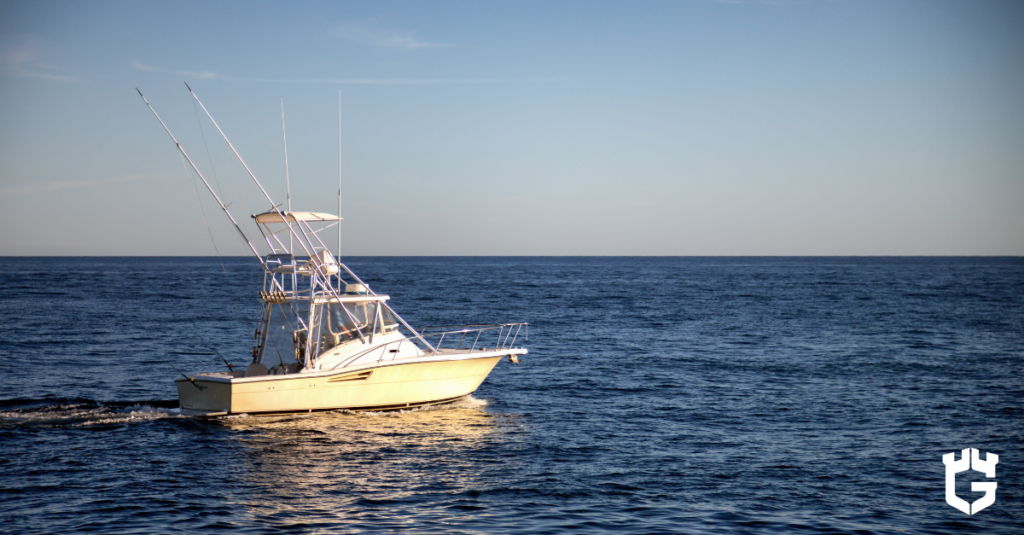
Peer-to-peer boat rental platforms like Boatsetter and GetMyBoat have made it easy for Chesapeake Bay boat owners to rent out their vessels when they're not in use. The income is real. So is the exposure.
How Standard Boat Insurance Handles Rentals
A personal boat insurance policy covers you and permitted operators using the boat for personal recreation. When you charge someone to use your vessel, that changes the classification. Standard boat policies typically exclude commercial use, and peer-to-peer rentals for compensation qualify as commercial use under most policy definitions.
The Maryland Insurance Administration confirms that homeowners' policies provide only limited coverage for boats, often capped at $1,000 or 10% of the home's insured value, and typically without liability coverage. A separate boat policy covers more, but only for personal use. Neither covers you when a renter takes your boat out on the Bay and causes an accident.
What Happens When Something Goes Wrong
A collision on the water can run $15,000 to $50,000 in hull repairs. Injury claims average $35,000. If a renter causes an accident with your uninsured-for-commercial-use vessel, you're liable for damages to other boaters, medical costs, and potentially legal fees, and your boat policy won't respond. Some peer-to-peer platforms offer coverage during rental periods, but like Airbnb's AirCover, those programs have exclusions and deductibles that can leave meaningful exposure unaddressed.
If you're regularly renting out your boat, you need a commercial use endorsement or a separate commercial marine policy. This is not optional coverage if the vessel is being used for profit.
The Umbrella Policy Question
A personal umbrella policy extends your liability coverage across home, auto, and boat policies, typically in $1 million increments starting at modest annual premiums. Marylanders with waterfront properties, boats, and rental activities have more liability exposure than a standard policy stack covers.
The catch: umbrella policies generally follow the exclusions of the underlying policies they sit on top of. If your homeowners policy excludes short-term rental liability, your umbrella policy likely won't fill that gap either. The fix is to make sure the underlying policies are structured correctly for how you actually use your property, then layer an umbrella on top of that solid foundation.
A Practical Checklist Before You List or Launch This Summer
Before your first Airbnb guest checks in or your boat goes out with a paying renter, these are the questions worth answering with your agent.
- For homeowners renting on Airbnb or VRBO: Call your current carrier and ask directly whether your policy covers short-term rental activity. Get the answer in writing. If coverage is excluded, ask about a home-sharing endorsement or whether you need a separate STR policy.
- For vacation or second-property owners: A second home listed for short-term rental is almost never adequately covered under a standard homeowners policy. These properties typically need a dedicated short-term rental or commercial policy from the start.
- For boat owners considering peer-to-peer rental: Contact your marine insurer before listing. Ask whether commercial use voids your coverage and what endorsements or separate policies would protect you during rental periods.
- For anyone with significant assets: If you own property, a boat, and are generating rental income, the conversation with your agent should include whether your current umbrella policy covers the combined exposure, and whether the underlying policies are structured to allow it.
How Gerety Insurance Helps Maryland Homeowners Get Coverage Right Before Summer
These gaps don't announce themselves. They show up when a claim gets denied, and by then, the damage, legal exposure, or out-of-pocket costs are already in motion.
At Gerety Insurance, we work with homeowners across Harford County and the surrounding region who are navigating exactly this kind of coverage complexity.
Whether you're renting a Bay house on VRBO, listing a spare room on Airbnb, or letting your pontoon earn its keep between weekends, we can review your current policies and tell you specifically what's covered, what's not, and what it takes to fix the gaps before summer puts them to the test.
The call takes 30 minutes. The coverage review costs nothing. The conversation after a denied claim costs considerably more.
Have questions about your homeowners, boat, or umbrella coverage heading into summer? Contact our team today.