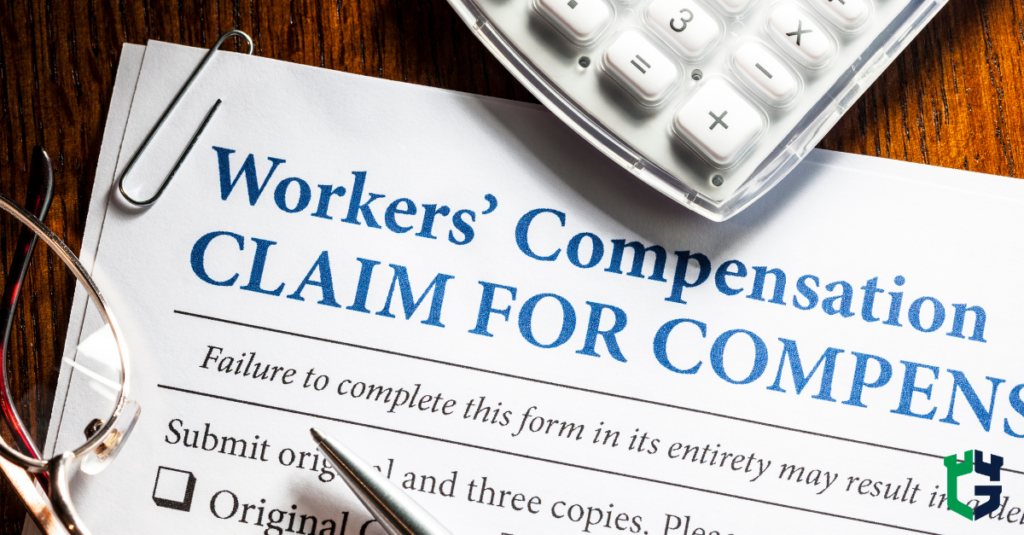
Most Maryland contractors know a Workers' Comp audit is coming at the end of the year. What catches them off guard is the bill that follows.
When your policy renews, your insurer compares your actual payroll against the estimate you gave at the start of the year. If your crew grew, your jobs got bigger, or you paid subcontractors who can't prove they carried their own coverage, the difference comes due. Sometimes that number is a few hundred dollars. Sometimes it's several thousand.
Audits aren't designed to be punitive. They're designed to make sure your premium matches your actual exposure. The problem is that most contractors don't think about the audit until it arrives, and by then, there's not much that can be done. This guide walks through what actually triggers a larger-than-expected audit bill and what you can do right now to make the process go smoothly.
How Workers' Comp Premiums Are Calculated in Maryland
Before you can understand what goes wrong in an audit, it helps to understand how your premium is calculated in the first place.
Workers' Comp premiums in Maryland are based on three things: your total payroll, the class codes assigned to your employees based on their job duties, and your experience modification rate, which reflects your claims history. Carriers use an estimated payroll at the start of the policy year to set your premium. At the end of the year, the audit reconciles that estimate against what actually happened.
If your actual payroll was higher than estimated, you owe the difference. If it were lower, you would get a credit. Most audit surprises happen on the first side of that equation.
What Actually Triggers a Surprise Audit Bill
A few specific situations account for most of the unexpected charges Maryland contractors face after an audit. Understanding these ahead of time makes a real difference.
Uninsured Subcontractors
This is the biggest one. If you paid a subcontractor during the policy year and can't prove they carried their own Workers' Comp coverage, your insurer will treat their earnings as your payroll and charge you a premium on that amount.
In Maryland, if a subcontractor claims to be insured, you need an original certificate of insurance from them, not a photocopy, not a verbal confirmation. Keep those certificates on file and make sure they cover the full period the sub worked for you. If a certificate expires mid-project and the sub doesn't renew, you could be on the hook for that gap.
Employee Misclassification
Not all workers cost the same to insure. A roofing crew carries a much higher class code rate than an office administrator. If employees are classified incorrectly at the start of the policy, the audit corrects it, sometimes in a direction that costs you money.
Make sure the job duties listed for each employee actually match what they do on a daily basis. Job titles alone aren't enough. The auditor will ask about actual duties, and discrepancies will be corrected in the final number.
Payroll Growth You Didn't Report
If you brought on more crew mid-year than you initially estimated, your premium was underpriced from the start. The audit picks that up. Some carriers offer pay-as-you-go Workers' Comp programs that adjust your premium monthly based on actual payroll, which largely eliminates this problem. It's worth asking about if your business has significant payroll variability year to year.
Overtime Pay Handling
Maryland, like most states, allows overtime to be discounted back to straight-time wages for Workers' Comp premium purposes. But that discount only applies if your payroll records clearly separate regular hours from overtime. If an auditor can't break out the overtime without complex calculations, you likely won't get the discount. Keep your payroll records clean.
What to Have Ready Before the Auditor Arrives
Workers' Comp audits can be conducted in person, by phone, or by mail. Regardless of format, the documents they'll ask for are consistent. Having these ready in advance makes the process faster and protects you from estimates based on incomplete information.
- Payroll records: Employee names, job duties, total wages paid during the policy period, and a clear separation of regular pay from overtime.
- Certificates of insurance: Original certificates for every subcontractor you paid during the year, confirming they carried Workers' Comp coverage for the full period they worked with you.
- 1099 forms: Documentation for any independent contractors, along with their certificates of insurance if applicable.
- Officer information: Names, ownership percentages, and job duties for all corporate officers. In Maryland, corporate officers are automatically included in coverage but may elect to be excluded.
- Profit and loss statements: Auditors may request these to verify that all payroll exposure is accounted for and nothing is being run through other line items.
How to Dispute an Audit Result
If the audit comes back with a number that doesn't look right, you have options. Audit results can be disputed, and errors do happen. Common mistakes include misclassified employees, subcontractor payments counted as payroll when coverage certificates were on file but not presented, and overtime that wasn't properly discounted.
Start by reviewing the auditor's worksheet line by line. If you believe a specific charge is incorrect, contact your agent before paying. Disputes resolved at the agency level tend to move faster than those escalated directly to the carrier's audit department. Document everything and don't sign off on an audit you haven't fully reviewed.
How Gerety Insurance Helps Maryland Contractors Prepare
Workers' Comp audits are a normal part of running a contracting business in Maryland. They don't have to be a source of stress or financial surprise, but that requires staying on top of your records and knowing what to watch for throughout the year, not just when the auditor calls.
At Gerety Insurance, we've been working with Maryland contractors for more than 25 years. We understand the specific compliance requirements contractors face here and help our clients avoid the common mistakes that turn routine audits into unexpected bills.
If you're heading into an audit, want to review your current Workers' Comp coverage, or just want to make sure your policy reflects what your business actually looks like today, we're here to help.
Have questions about your Workers' Comp policy or want to review your coverage before your next audit? Contact our team today.