Running a restaurant is a labor of love. It takes passion, creativity, and long hours, but it also takes protection. In this industry, risks come with the territory: a customer slips on a wet floor, a kitchen fire damages your equipment, or a power outage wipes out thousands of dollars in food inventory.
Without the right insurance in place, those unexpected events can become costly setbacks.
This guide walks through the key types of restaurant insurance coverage: what they protect, why they matter, and how the right policy can help you avoid expensive gaps.
Why Every Culinary Business Needs Restaurant Insurance

Running a restaurant comes with enough expenses; covering the cost of an accident or loss shouldn’t be one of them. For instance, slip-and-fall claims in restaurants often run $30,000 to $50,000, and across the industry, they add up to more than $2 billion every year.
Now factor in rising expenses—labor and food costs are both up more than 30% in recent years—and it’s easy to see how even one incident could put your restaurant in a difficult position.
Without insurance, you could be left paying those costs out of pocket, and that’s a bill most small businesses can’t afford. While restaurant insurance can’t guarantee business success, it can help make sure an accident or disaster isn’t the reason you shut your doors.
Key Types of Restaurant Insurance Coverage

No two restaurants are exactly alike, but most face the same core risks. Having the right mix of restaurant insurance coverage can mean the difference between a quick recovery and a costly shutdown.
Here are the key coverages every restaurant owner should know:
Restaurant General Liability Insurance
What it covers: Third-party bodily injury, property damage, and personal injury claims.
Why it matters: This is your first line of defense against common risks like a customer slipping on a wet floor, an allergic reaction to a dish, or damage to a guest’s personal property. Without it, you could be responsible for paying medical bills, legal fees, and damages yourself.
Commercial Property Insurance
What it covers: Your building (if you own it), kitchen equipment, furniture, décor, and inventory.
Why it matters: A fire, theft, or severe storm can wipe out thousands of dollars’ worth of property in minutes. Property insurance helps you repair or replace what’s lost so you can reopen quickly.
Food Spoilage and Contamination Coverage
What it covers: Loss of perishable stock due to equipment breakdown, power outages, or contamination.
Why it matters: If your walk-in cooler fails overnight, you could lose thousands in inventory, and health department rules may require you to dispose of anything in question. This coverage helps recover that cost.
Liquor Liability Insurance
What it covers: Claims related to serving alcohol to someone who then causes injury or damage.
Why it matters: If your restaurant serves beer, wine, or cocktails, this coverage is essential and often required by law. It protects you from legal and financial fallout tied to intoxicated patrons.
Workers’ Compensation Insurance
What it covers: Medical expenses, lost wages, and rehabilitation costs for employees hurt on the job.
Why it matters: Restaurant work can be physically demanding. From knife cuts to burns to lifting injuries, accidents happen, and workers’ comp keeps your team supported while protecting your business from costly lawsuits.
Business Interruption Insurance
What it covers: Lost income and operating expenses if your restaurant has to close temporarily due to a covered event (like a fire or major storm).
Why it matters: Even a short closure can mean a significant loss of revenue. This coverage helps you keep paying the bills while you get back on your feet.
Cyber Liability Insurance (Optional but increasingly important)
What it covers: Costs related to data breaches, payment system hacks, or cyberattacks.
Why it matters: If you process credit card payments or store customer information, this coverage can help you recover from costly cyber incidents.
Avoiding Costly Coverage Gaps in Restaurant Insurance Programs

Many off-the-shelf or “cookie-cutter” restaurant insurance programs are designed to cover the basics, but they may not account for the way your restaurant actually operates. Those gaps can be costly when it comes time to file a claim.
Your coverage should reflect your unique setup and services. For example:
- Outdoor seating creates additional liability exposure.
- Delivery services bring new risks for drivers, vehicles, and food safety.
- Seasonal operations—like summer-only patio bars or holiday catering—may require temporary adjustments to coverage.
If these details aren’t factored into your policy, you could find yourself paying out of pocket for something you thought was covered.
How to Avoid the Gaps
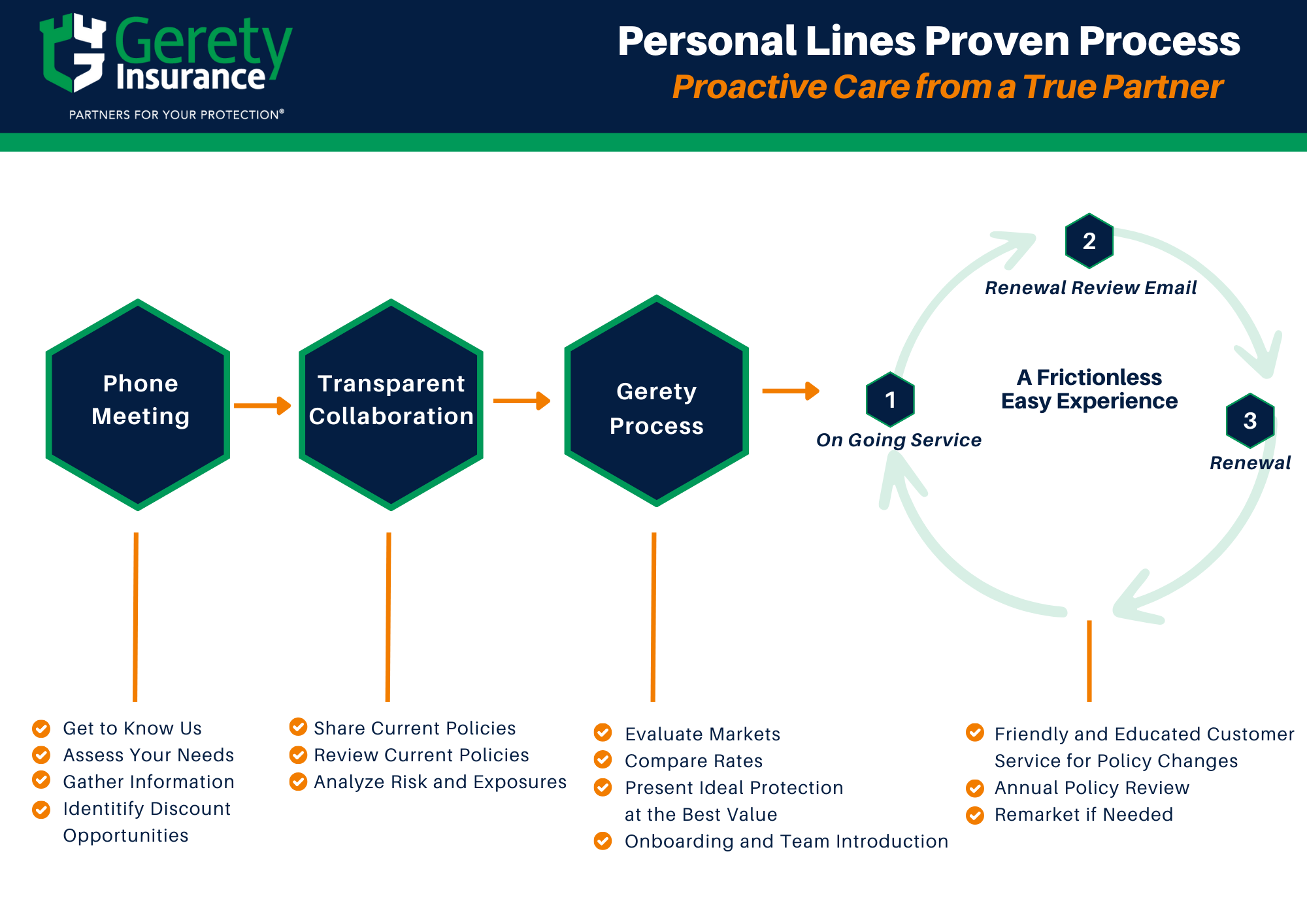
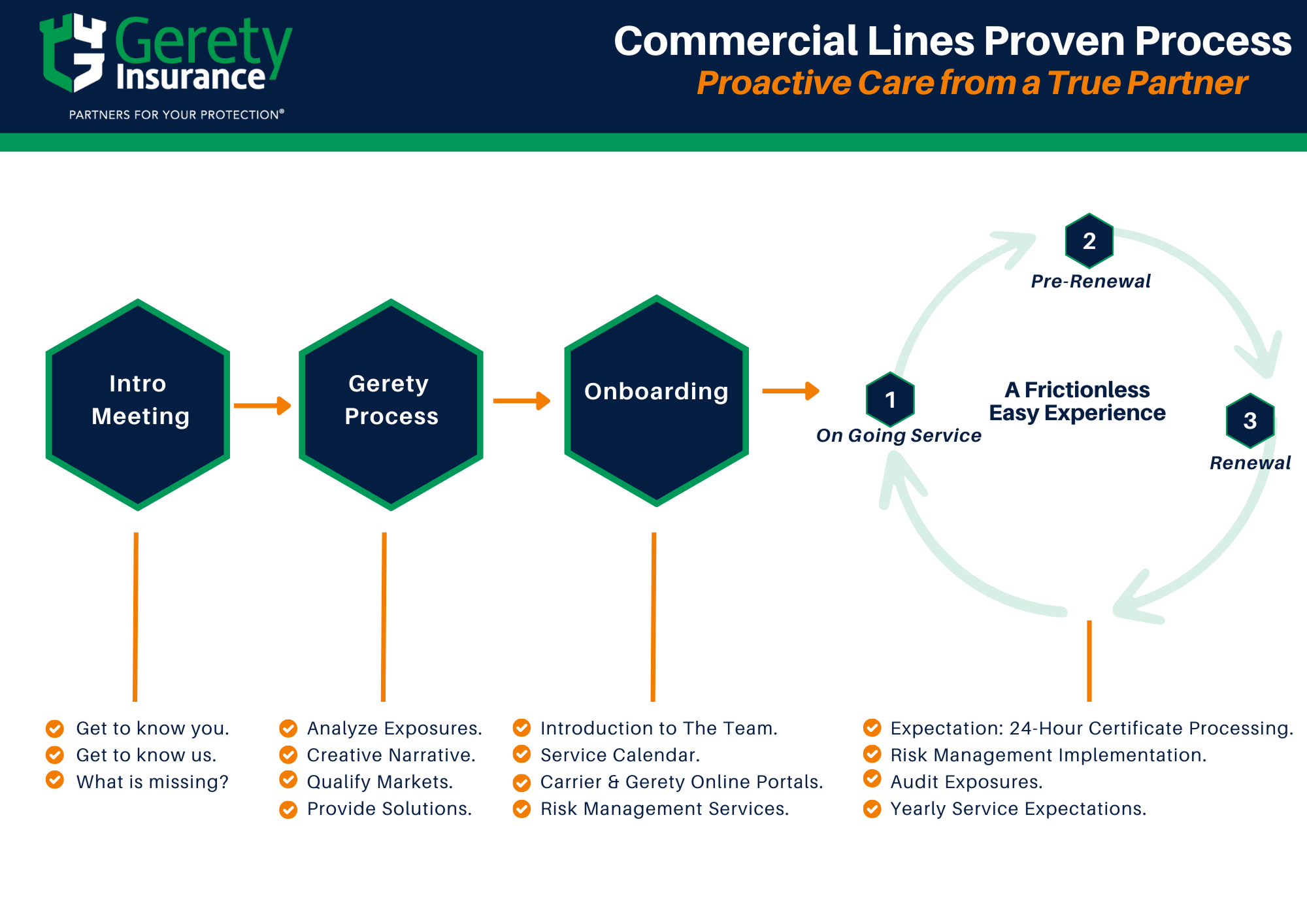
The easiest way to protect yourself is with a regular policy review. At Gerety Insurance, we sit down with restaurant owners to walk through their operations, ask the right “what if” questions, and make sure every risk is accounted for.
We shop multiple carriers to find coverage that’s both comprehensive and cost-effective, ensuring our clients don’t pay for unnecessary services or miss out on essential protection.
How to Choose the Right Restaurant Business Insurance Partner

The partner you choose for restaurant business insurance plays a big role in how well your coverage works for you. It’s essential to find a partner who understands the unique risks of running a restaurant, can help you navigate your options, and will make sure your coverage keeps up as your business changes.
Here are three things to consider when selecting an insurance partner for your restaurant:
1. Look for Local Expertise
A partner who knows the restaurant industry in your area can better anticipate the risks you face, whether that’s weather-related closures, seasonal tourist surges, or liquor license requirements.
This local insight can make a big difference when tailoring your coverage.
2. Work With an Independent Agency
Independent agents have the flexibility to compare policies from multiple carriers. This means they can recommend options that align with your specific needs and budget, rather than being limited to the offerings of a single company.
3. Prioritize Proactive Communication
Restaurants change and grow over time. You might add a delivery service, expand your dining space, or start hosting special events.
A good insurance partner will check in regularly, update your policy as needed, and make sure no gaps develop along the way.
Serving Up Peace of Mind for Your Business
Running a restaurant comes with enough daily challenges; you shouldn’t have to worry about whether your insurance will be there when you need it. The right restaurant insurance coverage helps protect your finances, your reputation, and the future you’ve worked so hard to build.
If it’s been a while since you reviewed your policy, or you’re not sure you have the right protection in place, now is the perfect time to take a closer look.
Request a quote today, and we’ll help you ensure your restaurant has the coverage it needs to handle the unexpected.