When it comes to buying insurance, most people focus on the policy itself, what’s covered, how much it costs, and what the deductible is. But one of the most important parts of your coverage often gets overlooked: the insurance carrier behind the policy.
Whether you’re shopping for home, auto, or business insurance, it’s essential to understand who’s actually providing your coverage and how to choose the right company.
Your carrier’s financial strength, claims process, and customer service can make all the difference when the unexpected happens.
In this guide, we’ll break down what an insurance carrier is and what to look for when evaluating your options so you can confidently choose the best insurance carrier for your needs.
What Is an Insurance Carrier?

An insurance carrier is the actual company that underwrites and backs your insurance policy. In simple terms, they’re the ones taking on the financial risk. If you experience a covered loss—say, a car accident or home damage from a storm—the insurance carrier is the entity that processes and pays out your claim.
Some well-known examples of insurance carriers that we partner with include Nationwide, Progressive, and Travelers. These companies design the policies, determine coverage terms and pricing, and are ultimately responsible for honoring your claim.
Primary Insurance Carrier
Your primary insurance carrier is the main company responsible for your coverage and claim payments. In most cases, this is the only carrier listed on your policy, but in more complex insurance setups—like layered commercial coverage or health plans—you might have a primary and secondary carrier.
How Carriers Differ from Agents and Brokers

Here’s where people often get confused: the person or team you buy your insurance through is usually not the carrier. Instead, you’re likely working with either an agent or a broker.
- Insurance Carrier: The company that writes and holds the policy.
- Agent: The person who helps you select a policy from a carrier. They may represent one company (captive agent) or several (independent agent).
- Broker: Similar to an independent agent, but brokers represent you—the customer—rather than the insurance company.
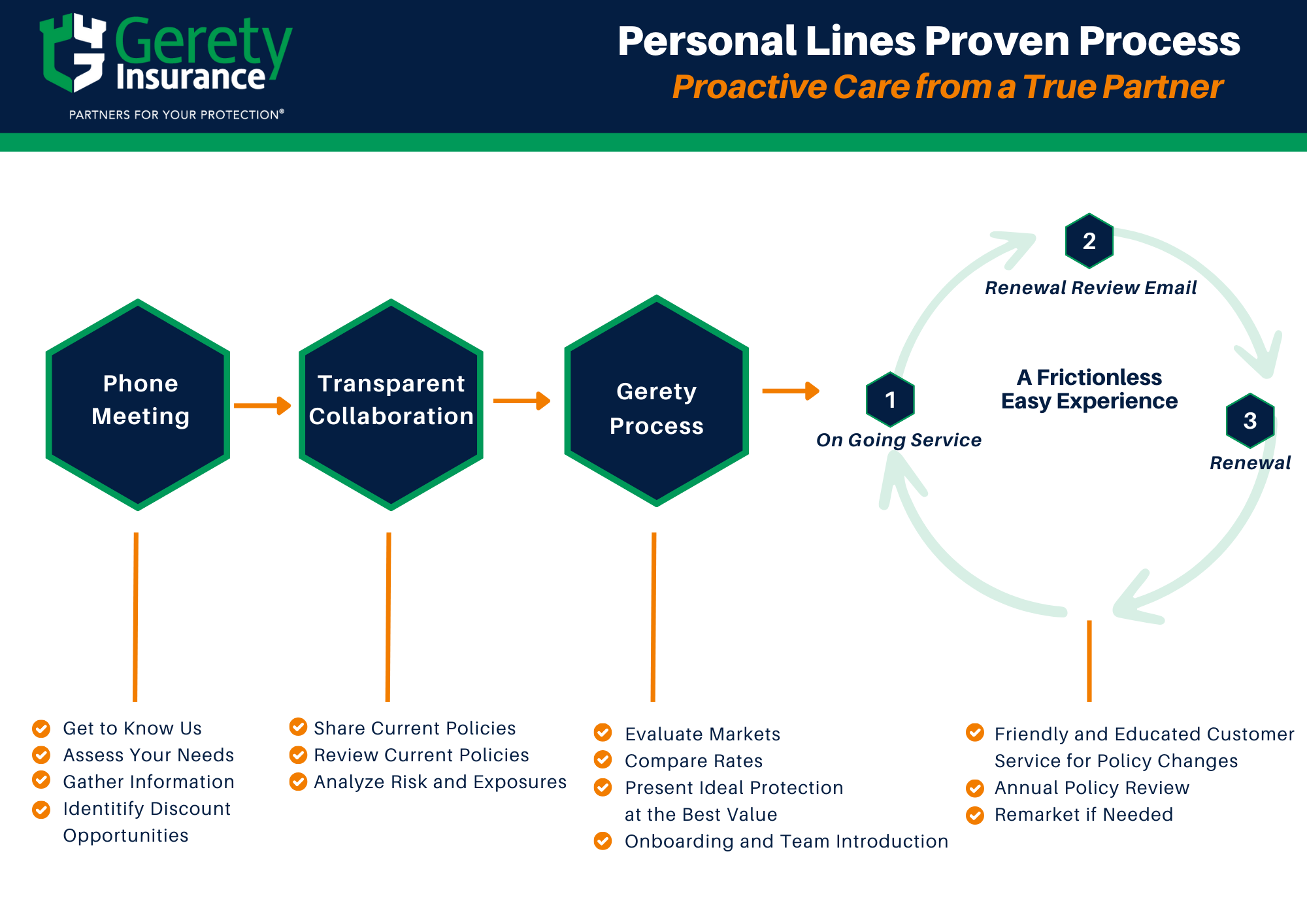
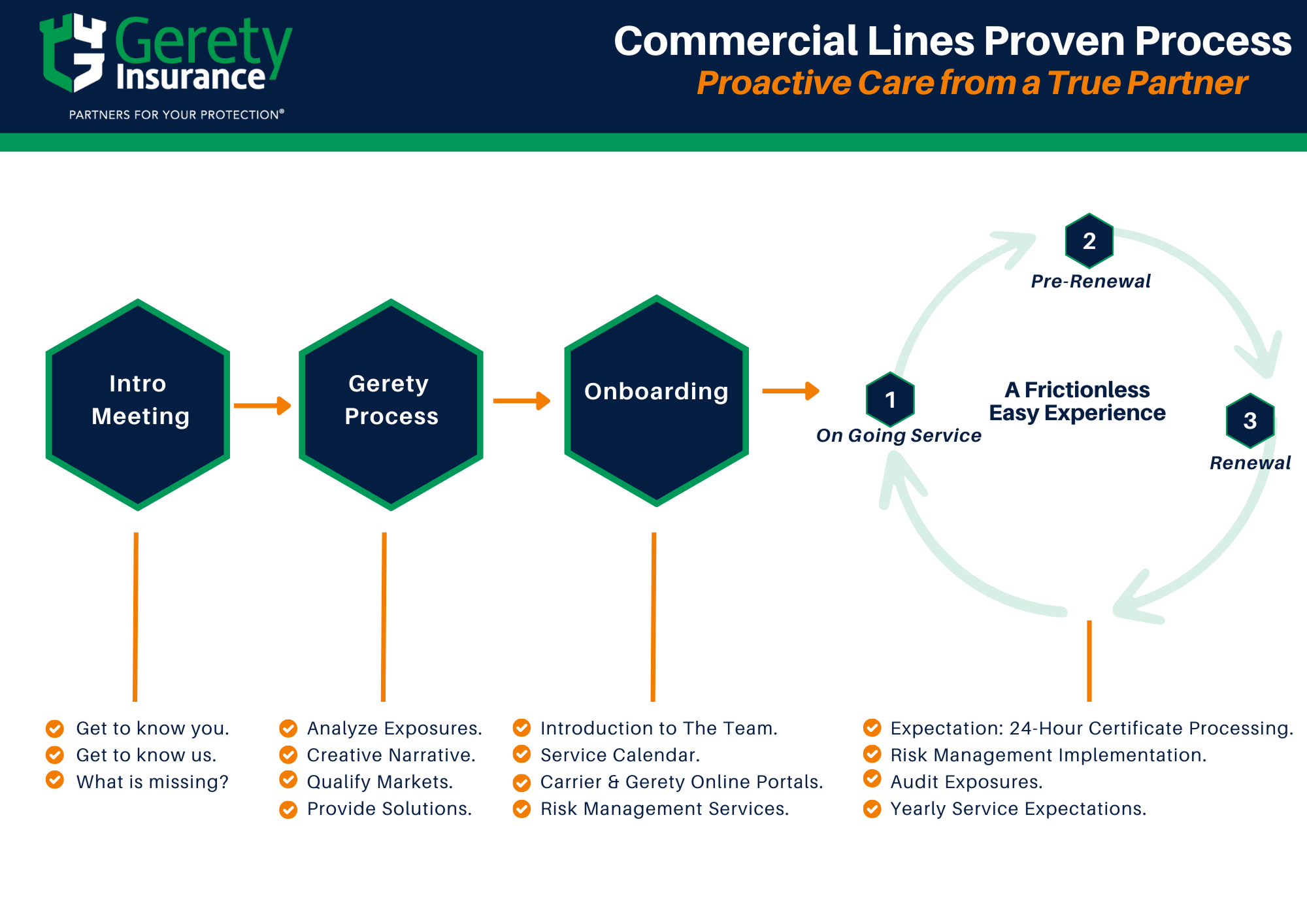
At Gerety Insurance, we’re a broker, which means we’re not tied to just one carrier. Instead, we partner with various carriers and help you compare their options to find the best coverage for your unique needs.
Think of it like this:
- The insurance carrier is like the manufacturer; they create the product (your insurance policy) and stand behind it.
- An agent is like a salesperson at a specific brand’s store. They can help you choose, but they typically work for the brand.
- A broker—like us—is your personal shopper. We don’t work for any one store; we work for you, helping you find the best product based on your needs.
Why It Matters Who Your Insurance Carrier Is
When you buy insurance, you’re choosing the company that will stand beside you if something goes wrong. Your choice of insurance carrier impacts everything from how quickly your claim is paid to whether it’s paid at all.
Financial Strength and Claims Payout Reliability

A carrier’s financial strength is one of the most important indicators of whether it will be there when you need it most. Insurance companies must be able to pay claims not just for a few customers, but potentially for thousands at once, especially after widespread events like hurricanes, wildfires, or winter storms.
If a carrier doesn’t have strong financial reserves, claims can be delayed, underpaid, or even denied. That’s why we only work with financially sound carriers that have been vetted for long-term reliability.
Independent agencies like AM Best assign financial strength scores to insurance carriers based on their ability to pay claims. These ratings offer a clear picture of a carrier’s stability.
Customer Service and Claims Experience

Beyond financial strength, how a carrier treats you during the claims process matters just as much. Filing a claim is often a stressful experience, so you want to know the company you’re working with will be responsive, clear, and fair.
Resources like NAIC Complaint Index offer insight into how carriers perform in real-world scenarios. You can look up carriers to review complaint trends, history, and how each company compares to the national average.
Range and Customization of Coverage Options

Not every insurance carrier name offers the same types of coverage or the same level of customization. Some focus on standard auto or homeowners policies, while others offer specialized protections like classic car insurance, vacant property insurance, or flood coverage for high-risk zones.
If you have unique insurance needs, the right carrier can make all the difference. Some carriers offer valuable endorsements, expanded liability options, or bundling discounts that others simply don’t.
How to Choose the Best Insurance Carrier for You

The best insurance carrier for your neighbor might not be the best fit for you. Every household, business, and property comes with its own risks and priorities, so choosing the right carrier means finding one that aligns with your unique needs.
It’s important to look beyond premiums and consider factors like licensing, financial strength, coverage flexibility, and customer reputation.
Check the Carrier’s Licensing and Admittance
One of the first things to understand is whether a carrier is admitted or non-admitted in your state.
- An admitted insurance carrier is licensed and regulated by your state’s department of insurance. These carriers are required to meet specific financial and operational standards, and if they become insolvent, state guaranty funds may step in to help pay claims.
- A non-admitted insurance carrier, on the other hand, is not licensed by the state, but may still legally offer coverage through surplus lines brokers. These carriers are often used for hard-to-insure risks, like vacant properties, high-value homes, or specialized liability policies.
So, what is a non-admitted insurance carrier good for? In short: unique situations where admitted carriers won’t or can’t provide coverage.
While these carriers can be perfectly legitimate and well-capitalized, they don’t offer the same state protections, so it’s helpful to work with a knowledgeable broker who can assess whether this type of coverage is right for you.
Compare Coverage Options
Not all policies from different carriers are structured the same, even if they appear to offer the same type of insurance. When comparing options, be sure to review:
- Deductibles
- Coverage limits
- Optional endorsements (add-ons)
- Exclusions and conditions
For example, one carrier might offer water backup coverage as standard, while another requires it as an add-on. Or you might find one that offers better bundling discounts or flexibility with business equipment coverage.
Ask These Questions Before Choosing
These questions can help you identify red flags, uncover hidden strengths, and feel more confident in your decision:
- How long has this carrier been in business?
A longer track record often signals financial stability and experience handling a range of claims.
- What’s their claims payout ratio?
This tells you how much they pay out in claims compared to premiums collected, a useful indicator of how often they approve and pay claims.
- Are they admitted in my state?
Admitted carriers are regulated by your state and offer additional consumer protections, such as access to guaranty funds if the company fails.
- Do they offer discounts or bundling?
Some carriers offer significant savings for bundling home, auto, or other policies. Others may specialize in standalone products only.
Work with a Broker Who Puts Your Needs First

The most helpful thing you can do when choosing the best insurance carrier is to partner with someone who understands the ins and outs of the industry and puts your needs at the center of the process.
A knowledgeable broker will help you understand why one carrier might be better for your specific situation than another. From evaluating financial strength and licensing status to translating policy fine print, a good broker acts as your personal guide through a complicated process.
At Gerety Insurance, we work for you, not the carriers. That means we’re here to help you weigh your options, ask the right questions, and make sure your coverage supports your life, your goals, and your peace of mind.
Have questions or ready to get started? Contact our team today. We’re here to help you choose the best insurance carrier for your needs.
When you have a partner who understands the big picture and the small print, you can feel confident you’re choosing a carrier that will come through when it matters most.